Recombinant Human CD93 Protein, His Tag
-
产品编号
KMH266
-
别名
C1QR1, C1qRP, CDw93, ECSM3, MXRA4, C1qR(P), dJ737E23.1, CD93 molecule
-
规格
- 50ug
- 100ug
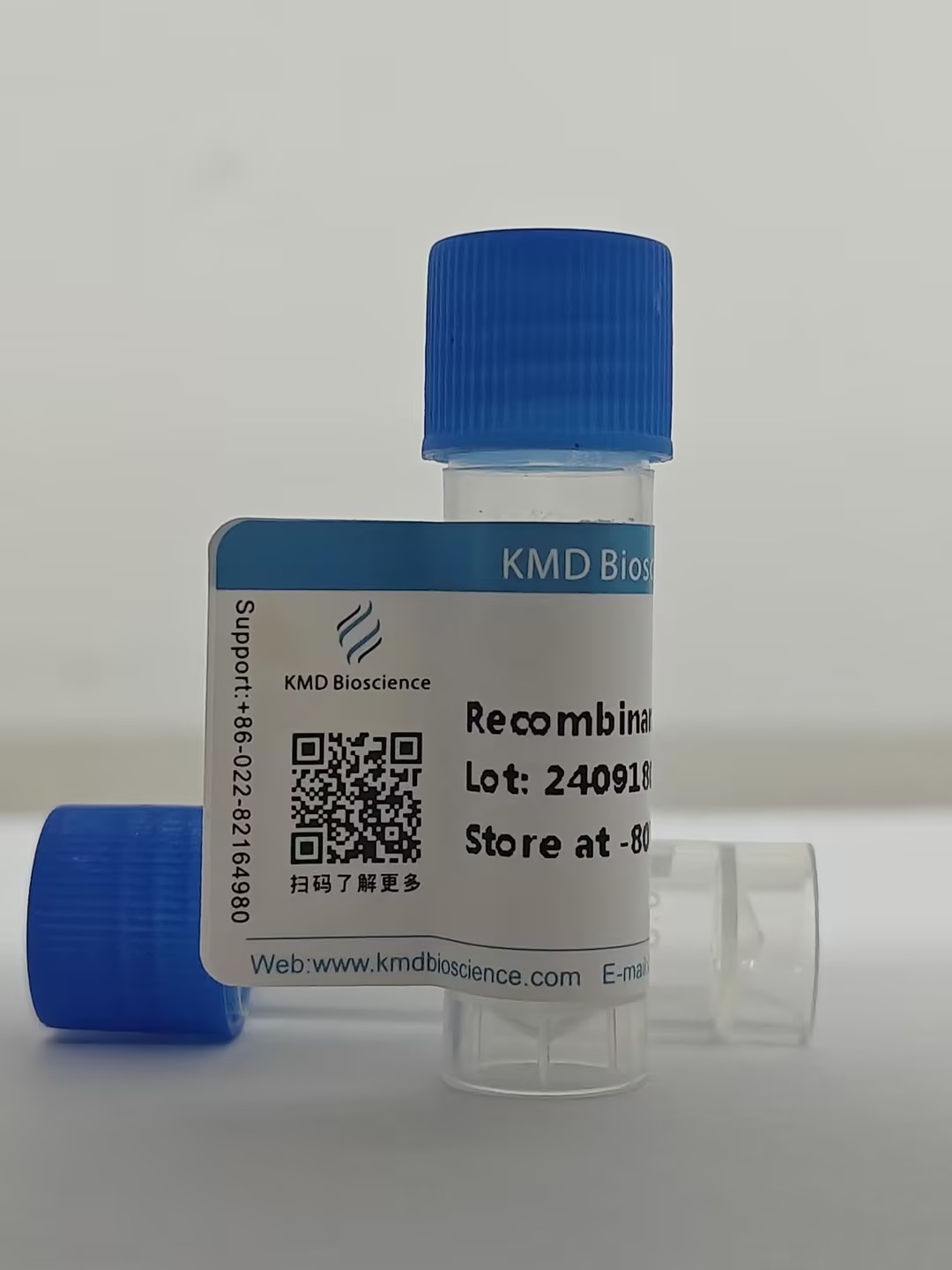
| Alias | C1QR1, C1qRP, CDw93, ECSM3, MXRA4, C1qR(P), dJ737E23.1, CD93 molecule |
| Catalog Number | KMH266 |
| Molecular Name | CD93 |
| Species | Human |
| Host | Mammalian cells |
| Size | 50ug, 100ug |
| Protein Family | CD molecule |
| Purity | ≥90% as determined by SDS-PAGE |
| Purification | Affinity Purification |
| Endotoxin | < 1.0 EU per ug of the protein as determined by the LAL method. |
| Formulation | PBS |
| Background | CD93, also known as Complement component C1q receptor, is receptor (or element of a larger receptor complex) for C1q, mannose-binding lectin (MBL2) and pulmonary surfactant protein A (SPA). This protein mediates the enhancement of phagocytosis in monocytes and macrophages upon interaction with soluble defense collagens. It may play a role in intercellular adhesion. This protein was expressed on (pre)plasmablasts/plasma cells, including long-lived plasma cells that showed decreased cell cycle activity, high levels of isotype-switched Ig secretion, and modification of the transcriptional network. It is important for the maintenance of plasma cells in bone marrow niches. |
| Storage Condition | Store the product under sterile conditions after opening at -20℃ to -80℃ for 12 months. Avoid repeated freeze-thaw cycles. |
| Shipping Condition | This product is shipped on ice packs or dry ice. |
| Molecular Weight | 63.8 kDa |
| Note | 仅供科研使用 |


销售微信

官方公众号


 0
0