Rabbit Anti-RPA1 Polyclonal Antibody
-
产品编号
PAV3442
-
别名
replication protein A1, HSSB, MST075, PFBMFT6, REPA1, RF-A, RP-A, RPA70
-
目录价格
InquiryRMB
-
规格
- 100ul
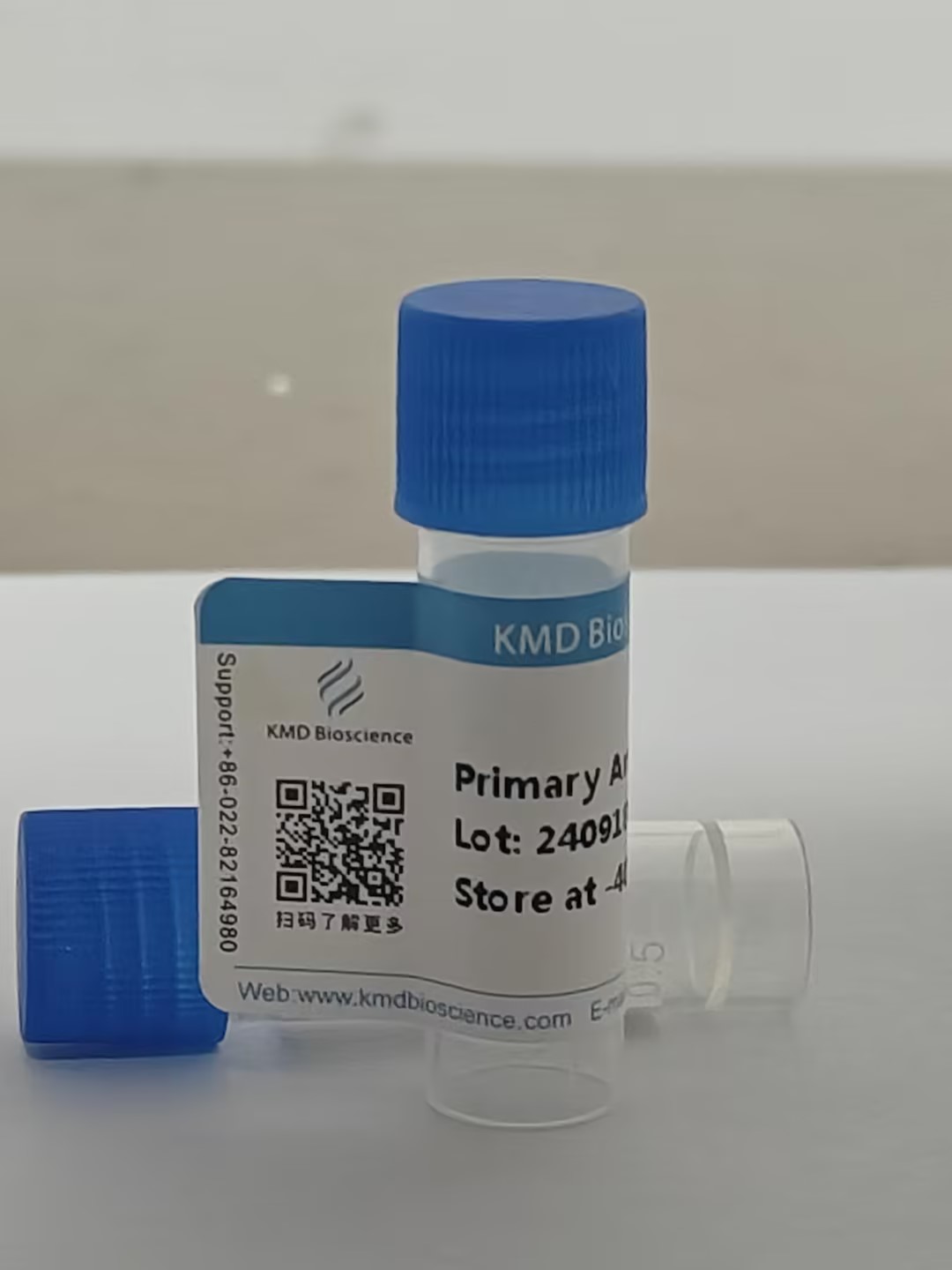
| Alias | replication protein A1, HSSB, MST075, PFBMFT6, REPA1, RF-A, RP-A, RPA70 |
| Catalog Number | PAV3442 |
| Product Description | Rabbit polyclonal antibody raised against human RPA1 (Replication protein A 70 kDa DNA-binding subunit). Affinity purified from rabbit antiserum by antigen-specific affinity chromatography. Validated applications: WB, ELISA. Supplied as liquid in PBS containing 50% glycerol and 0.02% sodium azide at 1 mg/ml. |
| Molecular Name | RPA1 |
| Species | Human |
| Host | Rabbit |
| Size | 100ul |
| Clonity | Polyclonal |
| Protein Family | DNA损伤修复 |
| Concentration | 1 mg/ml |
| Purification | affinity-chromatography |
| Formulation | supply in PBS containing 50% glycerol, and 0.02% sodium azide. |
| Background | This gene encodes the largest subunit of the heterotrimeric Replication Protein A (RPA) complex, which binds to single-stranded DNA (ssDNA), forming a nucleoprotein complex that plays an important role in DNA metabolism, being involved in DNA replication, repair, recombination, telomere maintenance, and co-ordinating the cellular response to DNA damage through activation of the ataxia telangiectasia and Rad3-related protein (ATR) kinase. The nucleoprotein complex protects the single-stranded DNA from nucleases, prevents formation of secondary structures that would interfere with repair, and co-ordinates the recruitment and departure of different genome maintenance factors. This subunit contains four oligonucleotide/oligosaccharide-binding (OB) domains, though the majority of ssDNA binding occurs in two of these domains. The heterotrimeric complex has two different modes of ssDNA binding, a low-affinity and high-affinity mode, determined by which ssDNA binding domains are utilized. The different binding modes differ in the length of DNA bound and in the proteins with which it interacts, thereby playing a role in regulating different genomic maintenance pathways. [provided by RefSeq, Sep 2017] |
| Immunogen | This antibody was raised against from part region of human RPA1 protein (UniProt: P27694) |
| Application | WB, ELISA |
| Recommended Dilution | WB 1:500-2000 ELISA 1:5000-20000 |
| Gene ID | 6117 |
| Tag | Unconjugated |
| Cross-reactivity | Human |
| Predicted Molecular Weight | ≈68.1 kDa |
| Storage Condition | Store at 4℃ for for short term storage. It is recommended to aliquote to ~10ul per vial and store at -20℃ for long term storage. Avoid repeated freezing and thawing cycles. |
| Shipping Condition | This product is shipped on blue ice. |
| Molecular Weight | 68.1 kDa |
| Cross-reactivity | Human |
| Uniprot ID | P27694 |
| Note | Gene ID: 6117; UniProt: P27694; Chromosome: 17p13.3; Predicted MW: 68.1 kDa |
| Function | As part of the heterotrimeric replication protein A complex (RPA/RP-A), binds and stabilizes single-stranded DNA intermediates that form during DNA replication or upon DNA stress. It prevents their reannealing and in parallel, recruits and activates different proteins and complexes involved in DNA metabolism. Thereby, it plays an essential role both in DNA replication and the cellular response to DNA damage. In the cellular response to DNA damage, the RPA complex controls DNA repair and DNA damage checkpoint activation. Through recruitment of ATRIP activates the ATR kinase a master regulator of the DNA damage response. It is required for the recruitment of the DNA double-strand break repair factors RAD51 and RAD52 to chromatin in response to DNA damage. Also recruits to sites of DNA damage proteins like XPA and XPG that are involved in nucleotide excision repair and is required for this mechanism of DNA repair. Also plays a role in base excision repair (BER) probably through interaction with UNG. |
| Product Declaration | 本产品仅用于研究用途(RUO)。不能用于诊断或直接用于人体实验。 |
| Product Full Name | Rabbit Anti-Human RPA1 Polyclonal Antibody |
| Target | RPA1 |


销售微信

官方公众号


 0